
Ooni Pizza Dough Recipe
 Add Preferred Source
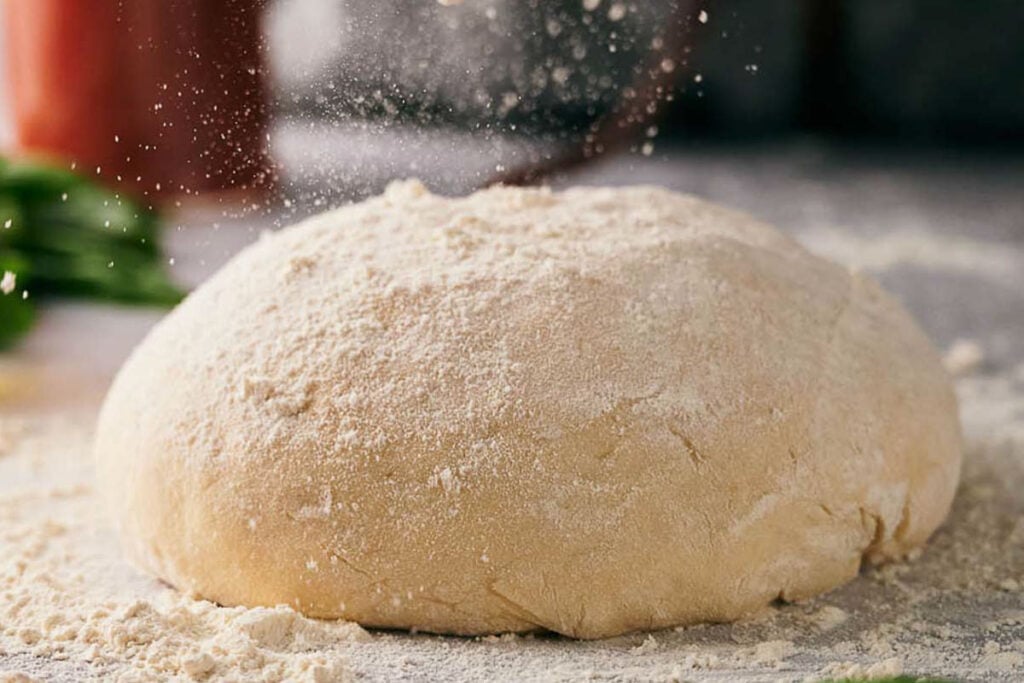
Ooni pizza dough is a five-ingredient dough built for the fast, fierce heat of an Ooni or any outdoor pizza oven, where a pizza cooks in a couple of minutes and comes out with a chewy middle and a blistered, crisp edge. It’s the dough I make when the oven’s lit outside and everyone’s picking their own toppings.
We run the pizza oven outdoors most weekends in good weather. I make the base and the sauce, and everyone else builds their own pizza, which is how pizza night actually stays fun instead of turning into me cooking alone at the stove. This dough holds up to high heat, and it uses 00 flour, the finely milled Italian flour that stretches thin without fighting you and chars fast once it hits a screaming-hot oven.
This post contains affiliate links. As an Amazon Affiliate, if you purchase through those links, I earn a small commission. Thank you!
Why You’ll Love This Ooni Pizza Dough
- You get a proper thin, chewy Neapolitan-style base from five things you probably already have: yeast, warm water, olive oil, 00 flour, and salt. There’s nothing exotic on the list.
- The recipe makes two 12-inch bases from one batch, so a single rise feeds a table. I roll one while the oven finishes heating and the second goes on straight after.
- It fits around your day rather than the other way round. You can make the dough up to three days ahead and keep it wrapped in the fridge, or freeze shaped dough balls for up to three months, so a batch made now is a pizza night later with no extra work.
- It isn’t tied to owning an Ooni. The same dough bakes on a pizza stone in a regular kitchen oven, so you can make it whether or not the outdoor oven is lit. For a finished pizza to top it with, our homemade Neapolitan pizza starts from a 12-inch crust like this one and walks you through getting an ordinary oven as close to pizza-oven heat as it’ll go, and a classic margherita pizza of tomato, mozzarella, and basil is about the simplest way to show this base off.
Ingredients you’ll need
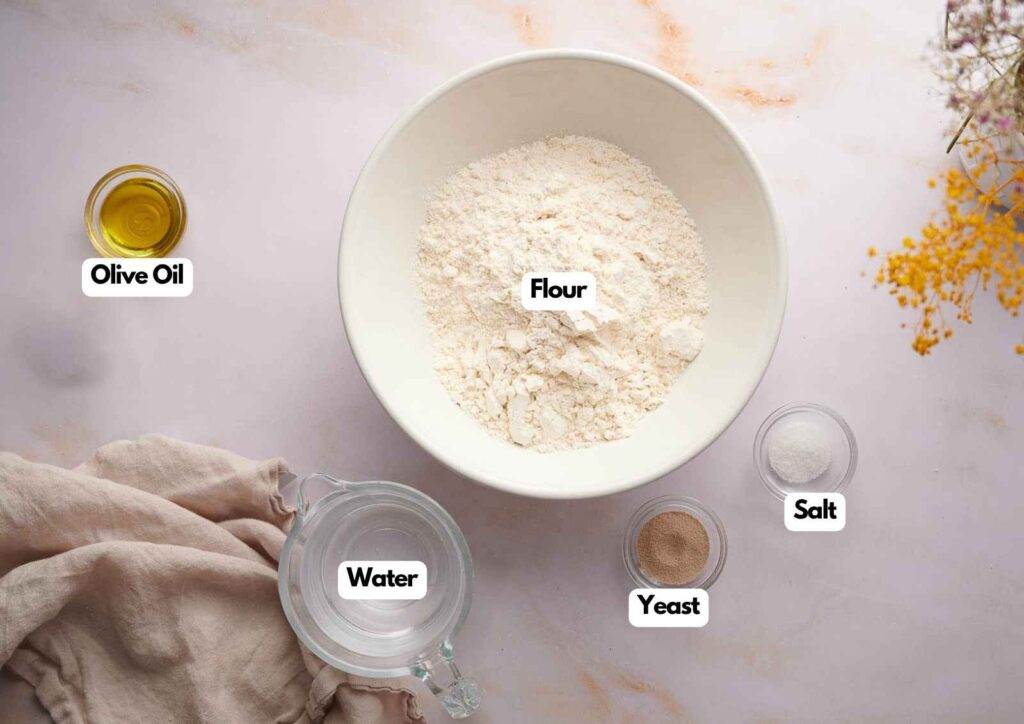
You’ll need all the ingredients shown in the photograph below.
00 flour. This is the ingredient that defines the dough. The “00” refers to how finely the flour is milled, not to a low protein level, which is a common mix-up. A pizza-grade 00 sits around 11 to 13 percent protein, and the ultra-fine grind is what lets the dough hydrate evenly and stretch thin without tearing or springing back on you. If you can’t find it, bread flour is the closest substitute, though the crust will be a touch less delicate.
Yeast. Standard active dry yeast. What matters most is that it’s within date, since old yeast is the usual reason a dough never rises. You’re dissolving it in warm water first to wake it up.
Warm water. The card calls for 100°F/38°C, and that’s worth getting roughly right. Comfortably warm to the touch is the target. Water that’s genuinely hot works against you: heat above about 120°F starts to stress the yeast, and hotter still will kill it outright, and then nothing rises.
Olive oil. Goes into the dough and coats the bowl for the rise. Regular olive oil is fine here; no need for your best bottle.
Salt. One teaspoon. It seasons the dough and tightens the gluten a little. Don’t skip it; an unsalted pizza base tastes flat no matter how good the toppings are.
How to Make Ooni Pizza Dough
A complete printable recipe and the measurements in both US customary and metric are available in the recipe card below.
Wake the Yeast
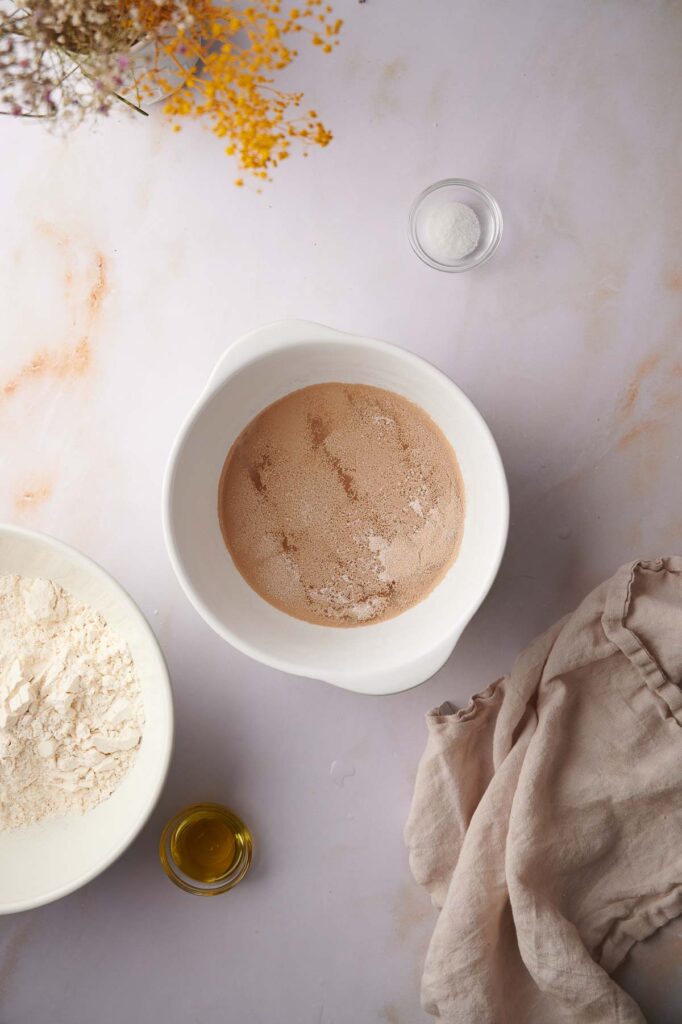
Whisk the yeast into the warm water first and let it dissolve. This is the step that wakes it up, and getting the water temperature right here is what makes the difference between a dough that rises and one that doesn’t.
Mix and Knead
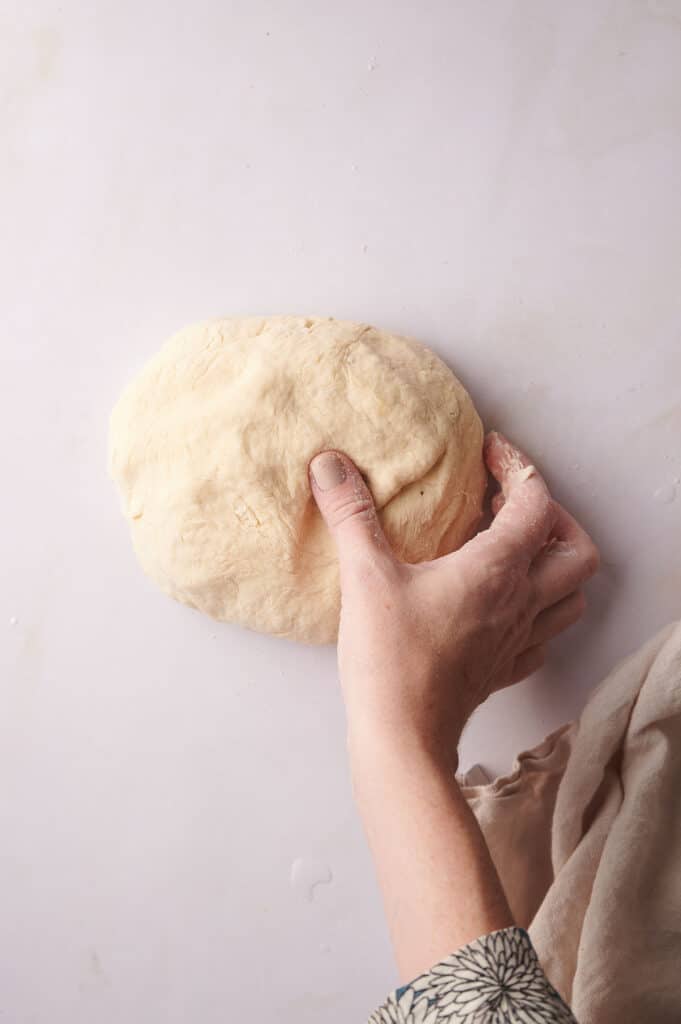
Add the olive oil, flour, and salt and mix, either in a stand mixer with a dough hook or by hand. Once it comes together, knead for a few minutes until the dough springs back when you press it with a finger. That bounce-back is your signal it’s ready, not the clock, so if it doesn’t spring back, keep kneading a little longer.
Rise Until Doubled
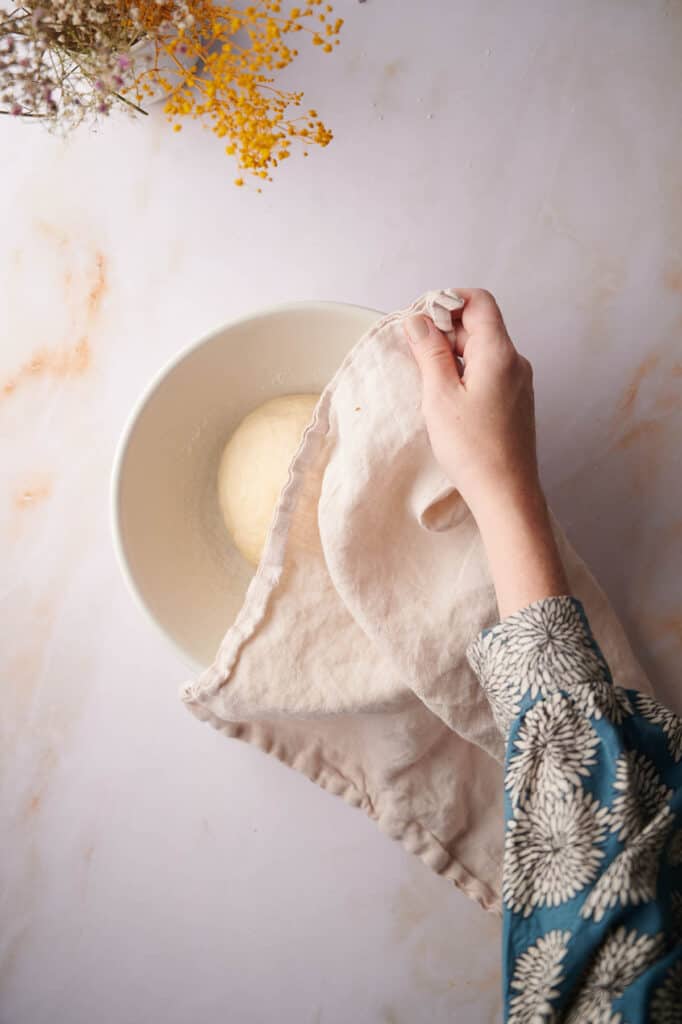
Grease the bowl, turn the dough to coat it, cover it, and leave it somewhere warm until it’s doubled in size, roughly 90 minutes.

Shape and Cook
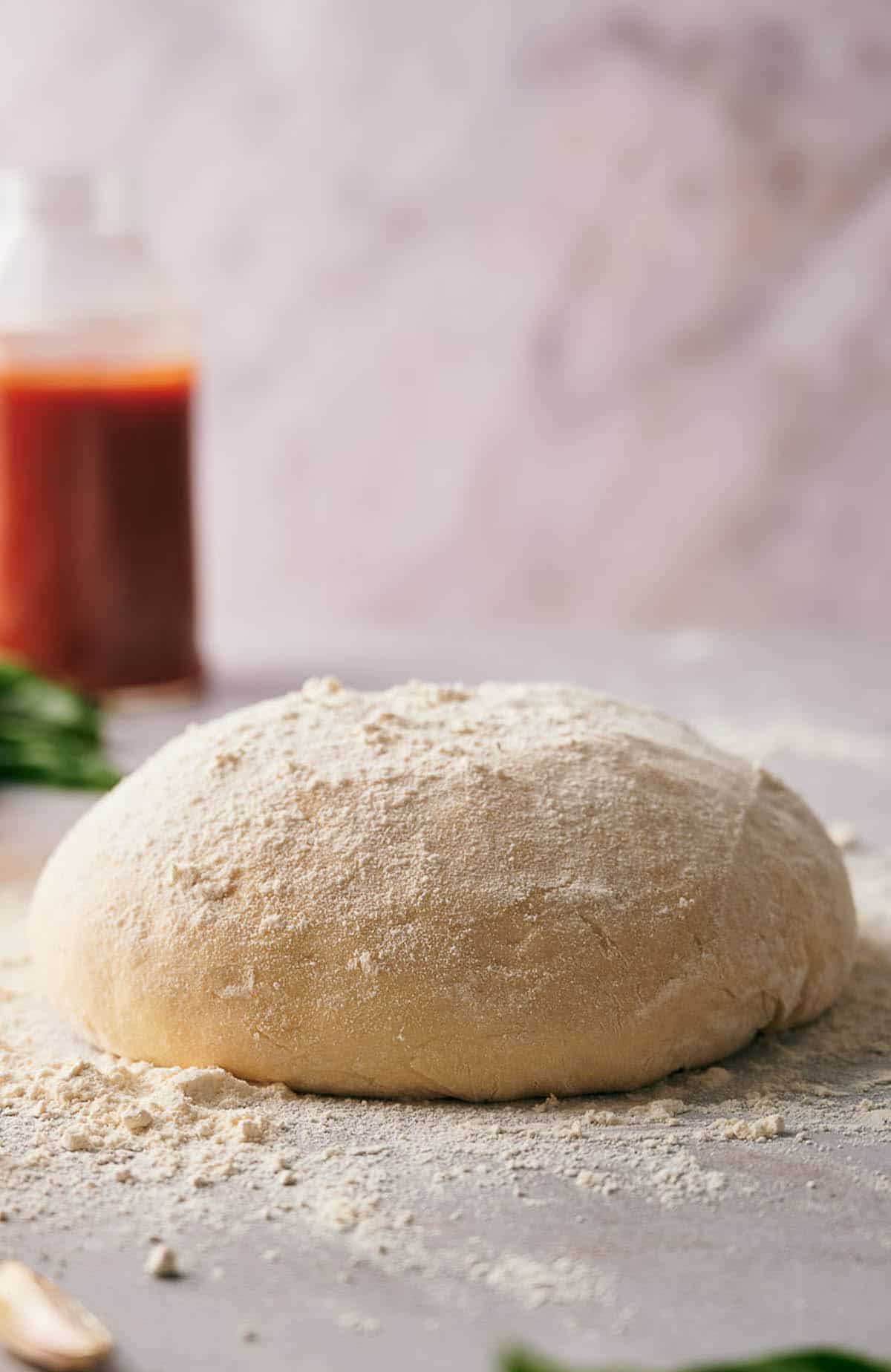
Knock the air out, divide the dough in two, and stretch each half into a 12-inch disc about half an inch thick, then press a lip also about half an inch in from the edge so the rim puffs up.
Spread on your sauce (our own homemade pizza sauce is the one I use), add your toppings, and slide it into the oven. Go by the char on the crust rather than a set time, since every oven runs at its own speed.
Expert Tips for Ooni Pizza Dough
Let the bounce-back tell you when it’s kneaded, not the timer. Press the dough with a fingertip. If the dent springs back, the gluten’s developed enough and it’s ready to rise. If the dent stays, it needs a few more minutes of kneading. This is a more reliable read than counting minutes, because flour and room temperature both change how fast a dough comes together.
Keep the water comfortably warm, not hot. Warm water wakes the yeast quickly, but water that’s too hot damages or kills it. If it feels hot on your wrist, let it cool before the yeast goes in. Comfortable to the touch is exactly right.
Leave a thicker rim when you shape. Stretch the middle thin and press the dough out to a lip about half an inch in from the edge. That untouched rim is what puffs up into the airy, charred crust once it hits high heat.
Watch the pizza, not the clock. Every oven runs differently. A wood-fired Ooni, a gas oven, and a pizza stone in a kitchen oven all cook at different speeds, so use the char on the crust as your guide rather than a fixed time.
Equipment
Ingredients
For the base
- 2¼ teaspoons yeast
- 1⅓ cup warm water 100°F/38°C
- 2 tablespoons olive oil plus extra for the bowl
- 3½ cups 00 flour
- 1 teaspoon salt
Instructions
For the pizza dough
- Using a stand mixer fitted with a dough hook or paddle attachment (or a bowl and a rubber spatula if you don't have a stand mixer), add yeast to a bowl of warm water and whisk together.2¼ teaspoons yeast, 1⅓ cup warm water
- Now, add olive oil, flour, and salt and beat for 2 minutes on low speed. Lightly flour your work surface and tip the dough out onto it. Lightly flour your hands and knead the dough for 4 minutes. When you've finished kneading, press it with your finger and if it bounces back, then it's ready for rising, if it doesn't, do a little more kneading2 tablespoons olive oil, 3½ cups 00 flour, 1 teaspoon salt
- Now, grease a large mixing bowl with olive oil and place the dough in it, ensuring that you turn the dough so that the sides have a coating of oil. Using either plastic wrap or a linen kitchen towel, cover the dough and leave it in a warm place to rise until it has doubled in size, approximately 90 minutes
- When your dough has risen, remove the covering and punch down on it, this releases any air bubbles, then divide it in half. Lightly flour your work surface, hands, and rolling pin, and then gently flatten the dough until you have a 12 inch disc shape approximately 1/2 inch thick and place it on a lightly floured pizza peel or pizza tray. Now, using your fingertips created a lip approximately half an inch away from the edge of the crust.
- Add pizza sauce and your favorite toppings and cook for approximately 2 – 10 minutes (see separate pizza recipes)
Notes
- No pizza oven, no problem. Use a pizza stone in your kitchen oven and heat it thoroughly first.
- Make ahead. The dough keeps wrapped in the fridge for up to 3 days.
- Freezing. Shape into dough balls, let them double in size, then freeze for up to 3 months.
- Watch the crust. Wood-fired ovens, gas ovens, stones, and pans all cook at different speeds. Go by the char on the crust, not a fixed time.
Nutrition

Ooni Pizza Dough Variations
Season the dough itself. Add a spoonful of Italian seasoning or a little garlic powder to the flour before mixing. It flavors the crust from the inside rather than just the toppings, which is nice on a plainer pizza where the base does more of the talking.
Swap in bread flour. If 00 flour isn’t in your store, bread flour is the closest substitute and the dough still comes together strong and stretchy. The crust bakes up a little less tender and delicate than the fine 00 grind gives, with a touch more chew.
Work in some whole wheat. Replace up to half the 00 flour with whole wheat flour for a nuttier, heartier crust. The dough turns out a little denser, so lean toward the lower end of the swap the first time and see how you like it.
What to Serve With Ooni Pizza Dough
This is a base rather than a finished dish, so what I put alongside it is really what I put alongside pizza night. I set out a simple green salad with toasted pecans and a tangy vinaigrette to cut through all the cheese, and I can toss the pecans and mix the dressing ahead so it’s just a quick toss at the table.
When I want something warm to tear into while the pizzas come off, I make a batch of soft, buttery garlic knots, which are also good for mopping up any leftover sauce. And since one batch of dough gives you two bases, I’ll often top the second with something different so nobody’s waiting on a single pizza.
How to Store Ooni Pizza Dough
This dough is made for getting ahead, and it keeps two different ways depending on how far out you’re planning.
To make it ahead for the next few days, keep the dough wrapped in the fridge for up to three days. Pull it out and let it come back to a workable temperature before you stretch it.
To keep it longer, freeze it. Shape the dough into balls, let them double in size, then freeze them for up to three months. That way, a batch you make today becomes a pizza night weeks from now with the hard part already done.
Ooni Pizza Dough FAQs
Yes, and it’s built for it. Keep the dough wrapped in the fridge for up to three days, or freeze shaped dough balls for up to three months. A slow, cold spell in the fridge also develops more flavor than a same-day dough, so making it ahead works in your favor rather than against it.
No. The dough is built for an Ooni or any outdoor pizza oven, but it also bakes well on a pizza stone in a regular kitchen oven. Heat the pizza stone thoroughly first.
Bread flour is the closest substitute. The crust will be a little less delicate than it is with the fine 00 grind, but it still works.
The usual causes are yeast that’s past its date, or water that was too hot when you added the yeast. Water hot enough to feel hot on your skin can damage the yeast. Comfortably warm is what you want.
One batch divides into two 12-inch bases.
More Pizza Recipes to Try this Dough On
If you’ve got the oven going, here’s what I’d top this dough with next.
When I want dinner to feel a little special, an artichoke pizza piles on garlicky spinach, marinated artichokes, and mozzarella, and it cooks in an Ooni or a regular oven just like this dough.
In tomato season, I’ll make a tomato pizza with fresh basil, a mix of heirloom and cherry tomatoes over a thin marinara base.
For a fuss-free favorite, a cheese pizza keeps things simple and lets this crust do the work.
And when I’m feeding a crowd, a sheet pan pizza with spinach and cherry tomatoes stretches one bake across a whole table.